

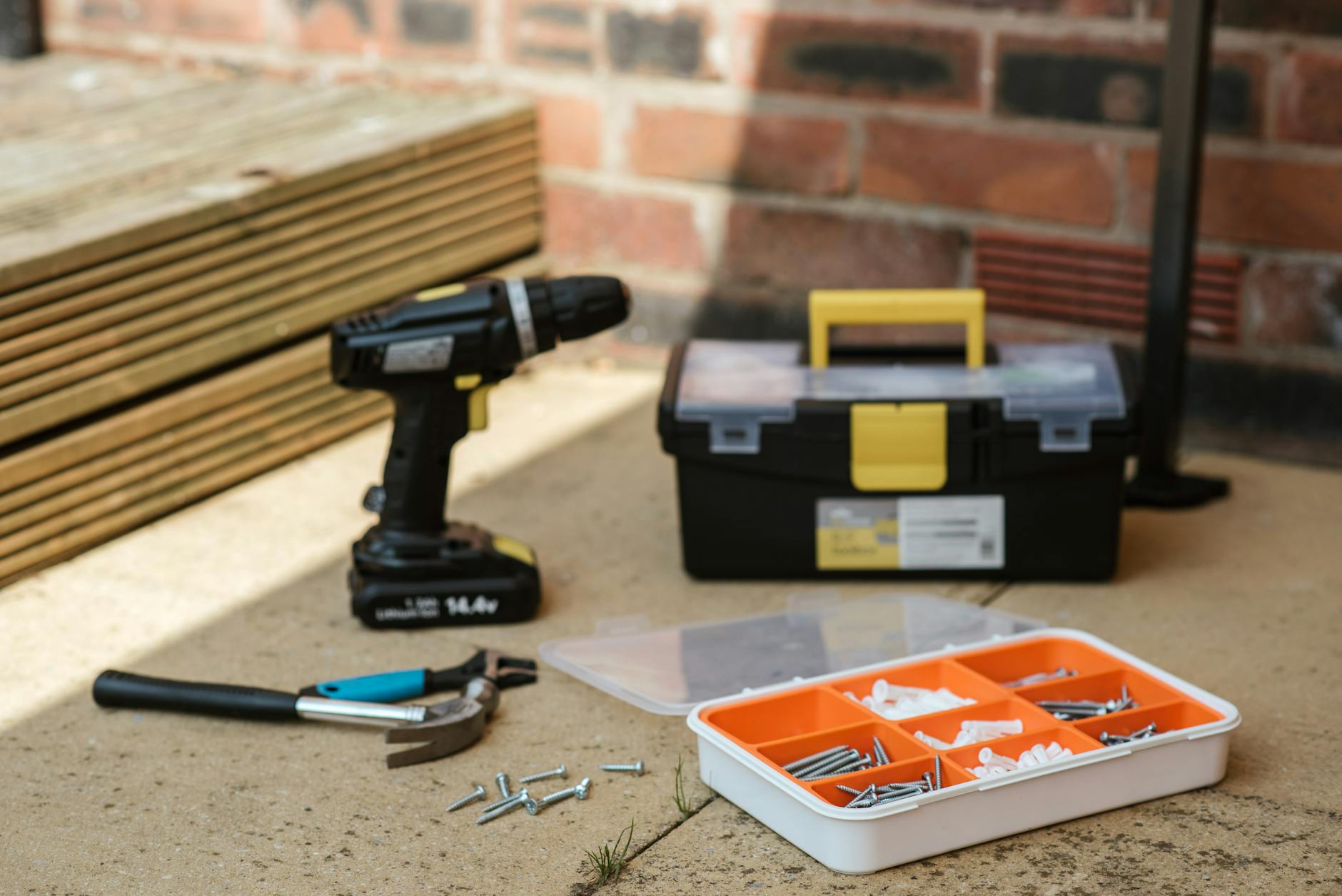
Have you ever watched your kids struggle with a simple problem and thought, “There’s got to be a better way to teach them real-world skills?” As a dad of two boys, I’ve discovered that the best learning happens when we’re building something together that actually improves our home. Gone are the days of craft projects that end up in the junk drawer – these DIY adventures create lasting memories and solve real household challenges!
Why DIY Projects Are Game-Changers for Kids
When my youngest son finished his first DIY project, his face lit up brighter than the bulb itself. That moment taught me something profound: kids don’t just want to make things – they want to make things that matter.
These projects aren’t just about keeping busy hands occupied. They’re about:
- Building genuine confidence through real accomplishments
- Developing problem-solving muscles that flex in everyday situations
- Creating safety awareness that protects them for life
- Fostering eco-consciousness through upcycling and sustainable practices
Simple Woodworking: Building Blocks for Life Skills
Project: Custom Storage Cubbies
Ages: 5-16 (with age-appropriate tasks)
Supervision: Minimal to moderate depending on age
What makes this useful: Every family needs better organization, and these cubbies can transform any cluttered space into an organized haven.
Skills your kids will master:
- Measuring and planning (math skills in action!)
- Tool safety and usage (hand saws for older kids, sandpaper for younger ones)
- Problem-solving when pieces don’t fit perfectly
- Following instructions while adding creative touches
Pro Dad Tip: Let younger children handle the sanding and painting while older kids tackle the cutting and assembly. Everyone contributes, everyone learns!
Basic Electronics: Sparking Future Engineers
Project: Smart Home Sensor System
Ages: 9-16
Supervision: Constant for beginners, minimal for experienced kids
What makes this useful: Create motion-sensor lights for hallways, closets, or outdoor spaces that actually save energy and improve home functionality.
Skills your kids will develop:
- Circuit understanding through hands-on experimentation
- Logical thinking as they troubleshoot connections
- Safety awareness with electrical components
- Innovation mindset as they customize sensor placement
The magic moment: When your child explains to visiting relatives how “their” security system works – pure parental pride!
Home Organization: Teaching Systems Thinking
Project: Family Command Center
Ages: 5-12 (perfect for mixed ages)
Supervision: Age-dependent
What makes this useful: Transform that chaotic kitchen wall into a functional hub for schedules, important papers, and daily reminders.
Skills your kids will gain:
- Planning and design thinking as they map out family needs
- Creativity in choosing colors, layouts, and decorative elements
- Organization systems they’ll use throughout life
- Teamwork as siblings collaborate on shared spaces
Real-world impact: Families report 40% fewer “Where’s my…” conversations after implementing their command center!
Gardening: Growing More Than Plants
Project: Vertical Herb Garden System
Ages: 5-16
Supervision: Minimal
What makes this useful: Fresh herbs year-round, reduced grocery bills, and a living lesson in sustainability right in your kitchen.
Skills your kids will cultivate:
- Responsibility through daily plant care
- Scientific observation as they track growth patterns
- Eco-consciousness understanding food sources and sustainability
- Patience and delayed gratification waiting for harvest time
Bonus learning: Kids who grow their own herbs are 60% more likely to try new foods – a win for adventurous eating!
Upcycling: Environmental Heroes in Training
Project: Furniture Flip Challenge
Ages: 9-16
Supervision: Varies by project complexity
What makes this useful: Transform worn furniture into statement pieces while keeping items out of landfills.
Skills your kids will master:
- Creative problem-solving seeing potential in discarded items
- Eco-consciousness understanding waste reduction
- Artistic expression through color and design choices
- Pride in restoration bringing new life to old things
Success story: My older son’s nightstand flip became his favorite piece of furniture – and he still talks about “saving it from the dump” two years later!
Safety First: Age-Appropriate Guidelines
For Ages 5-8:
- Focus on sanding, painting, and assembly tasks
- Use child-safe tools and non-toxic materials
- Maintain constant supervision during tool use
For Ages 9-12:
- Introduce basic power tools with strict safety protocols
- Encourage independent problem-solving with guidance nearby
- Practice measuring and cutting with appropriate tools
For Ages 13-16:
- Allow greater independence with established safety rules
- Encourage project leadership and teaching younger siblings
- Introduce advanced techniques and specialized tools
Making It Happen: Your Next Steps
Ready to transform your next weekend into a skill-building adventure? Start small, think big, and remember – the goal isn’t perfection, it’s connection and learning.
Choose your first project based on:
- Your child’s current interests and attention span
- Available space and tools
- Immediate household needs
- Safety comfort level
Remember: The best DIY project is the one that gets your kids excited about creating, learning, and spending time together.
What’s your family’s next DIY adventure going to be? Share your project plans and progress with fellow dads – we’re all learning together!
Ready to get started? Grab your tools, gather your kids, and let’s build something amazing that’ll make your home better and your family stronger.












Leave a Reply