

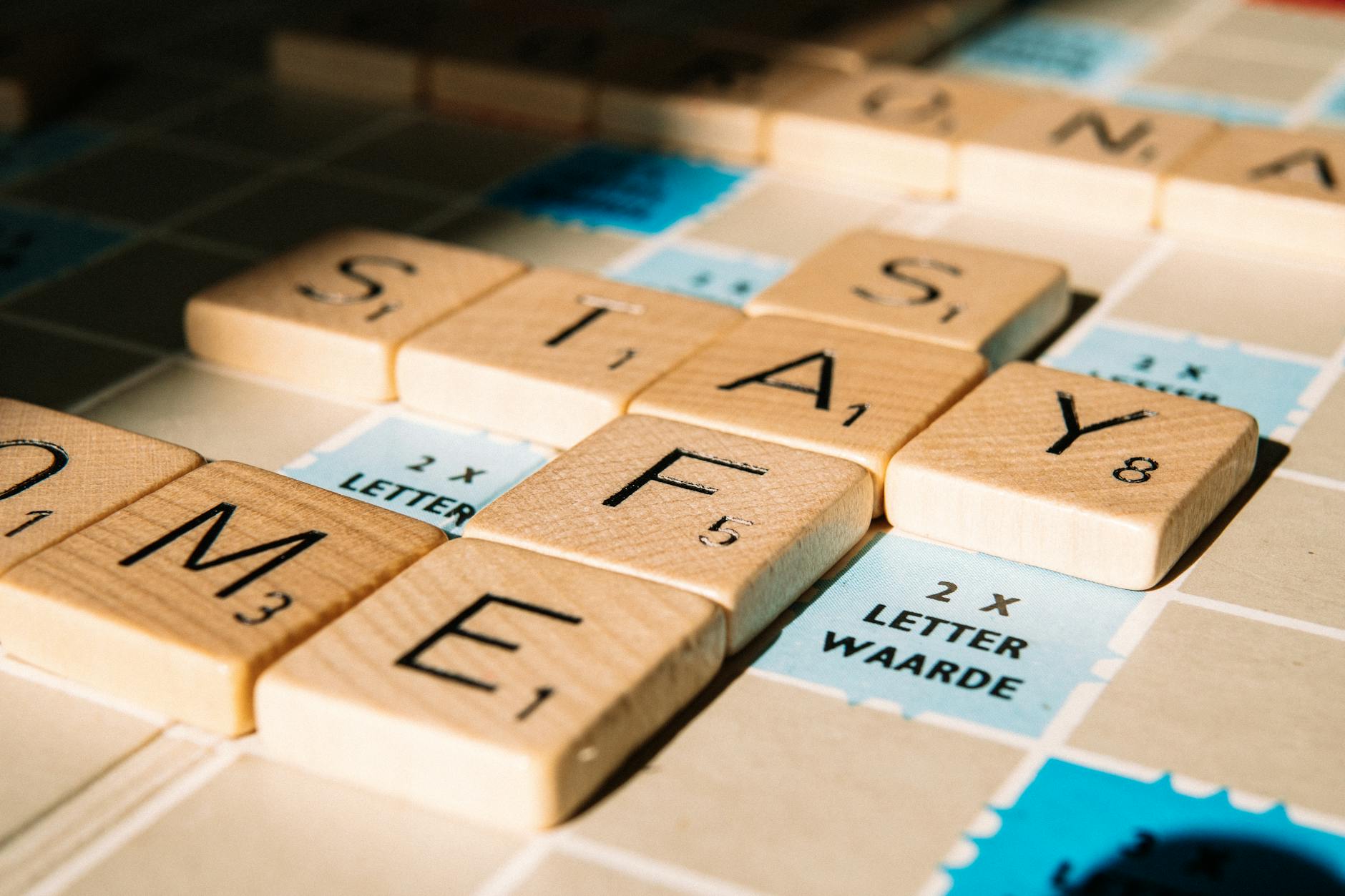
I’m Don Jackson, founder of DaddyNewbie.com, TheRavenMediaGroup.com, and NMFootballAcademy.com. Through my work in parenting, media, and youth development—plus my contributions to AMoneyGeek.com on financial literacy—I’ve learned that the best family investments aren’t always monetary. Sometimes they’re as simple as a $30 board game that brings everyone together for an hour of genuine connection.
Here’s what I’ve learned: family game night doesn’t have to be a chore adults endure for the sake of their kids. It can be something everyone genuinely looks forward to. You just need the right games.
Why Board Games Matter More Than Ever
Before we dive into specific recommendations, let’s talk about why this matters. In an age where every family member has their own screen, their own content, and their own digital world, board games offer something increasingly rare: shared experiences in real time.
The research backs this up. Studies show that playing games together supports more effective, open family communication and creates a greater sense of togetherness. But the benefits go far beyond just spending time in the same room.
Cognitive Development
Board games require thinking, strategy, and skill. Many modern games feature elements that build mathematical reasoning, reading comprehension, and problem-solving abilities. Your kids are learning without realizing they’re learning—the holy grail of parenting.
Social and Emotional Skills
Games teach children to take turns, cooperate, follow rules, and persist through setbacks. They learn how to win graciously and lose with dignity. These aren’t just game skills—they’re life skills that transfer to school, friendships, and eventually the workplace.
Research has found that playing board games can enhance a child’s ability to delay gratification and manage frustration. In other words, that moment when your eight-year-old loses at Ticket to Ride but doesn’t flip the board? That’s emotional regulation in action.
Family Bonding
Physically sitting and interacting with family members helps you bond in a way that no amount of chatting online can. You’re making memories face to face—the big wins, the horrible losses, the unexpected twists. These moments become part of your family folklore.
Stress Relief
Laughter releases endorphins, which reduce stress. And shared laughter helps people feel closer to each other and supported by each other. After a long week of work deadlines and homework battles, an hour of laughing together over a ridiculous game can reset everyone’s mood.
Screen-Free Connection
Unlike video games or movies, board games require active participation from everyone. No one’s half-watching while scrolling their phone. You’re all present, engaged, and interacting.
What Makes a Great Family Board Game?
Not all board games are created equal, especially when you’re trying to engage both a seven-year-old and a forty-year-old. Here’s what to look for:
Low Barrier to Entry
The best family games can be learned in 10-15 minutes. Nobody wants to spend an hour reading a rulebook before playing. If you can’t explain the basic rules in the time it takes to set up the game, it’s probably too complex for family night.
Reasonable Play Time
Around 30-45 minutes is the sweet spot. Long enough to feel substantial, short enough that younger kids don’t lose interest. Games that run over an hour risk ending in tears (from kids) or barely concealed impatience (from adults).
Engaging for All Ages
The game should offer enough strategic depth to keep adults interested while remaining accessible enough for kids to compete. The best family games have simple rules but complex decisions.
Balanced Luck and Strategy
Pure luck games (like Candy Land) bore adults. Pure strategy games (like Chess) can frustrate younger kids. The sweet spot is games where skill matters but luck keeps things unpredictable enough that anyone can win.
Scalable Player Count
Look for games that work well with 2-6 players. Family sizes vary, and you want flexibility for when friends come over or when it’s just you and one kid on a rainy afternoon.
Replayability
The best games are ones you’ll want to play repeatedly. Variable setups, different strategies, or evolving gameplay keep things fresh even after dozens of plays.
The Best Board Games for Family Bonding
Here are my top recommendations, organized by category. I’ve personally played all of these with my own family, and they’ve all passed the most important test: everyone asks to play them again.
Best Overall: Ticket to Ride
Players: 2-5 | Age: 8+ | Play Time: 30-60 minutes
If I could only recommend one game to families, this would be it. Ticket to Ride is the gold standard of family board games—easy to learn, quick to play, and genuinely fun for adults and kids alike.
The premise is simple: collect colored train cards and use them to claim railway routes connecting cities across a map. You’re trying to complete destination tickets that connect specific cities while blocking your opponents from completing theirs.
Why adults love it: There’s real strategy in route planning, card management, and timing. Do you claim that critical route now or wait to collect more cards? Do you block your opponent or focus on your own goals?
Why kids love it: Collecting colorful train cards is satisfying, and claiming routes feels like an accomplishment. Plus, there’s something inherently fun about building train networks across a map.
Why it works for families: The rules take five minutes to explain. Games move quickly. And because everyone’s working on their own routes, there’s competition without direct conflict. You’re not attacking each other—you’re just racing to complete your goals first.
Pro tip: Start with the USA map, then explore the many expansions (Europe, Nordic Countries, etc.) for variety.
Best Cooperative Game: Bomb Busters
Players: 2-5 | Age: 10+ | Play Time: 30 minutes
Bomb Busters won the 2025 Spiel des Jahres—the world’s most prestigious board game award—and for good reason. It’s a cooperative game where everyone works together to defuse a bomb by cutting the right wires in numerical order.
The wires are represented by tiles numbered 1-12, dealt out among players. The catch? You can’t see your own tiles, only everyone else’s. You have to give hints, make deductions, and work together to cut wires in the correct sequence without triggering the bomb.
Why adults love it: It’s a puzzle that requires genuine teamwork and communication. The limited communication rules create interesting challenges.
Why kids love it: The theme is exciting (you’re defusing bombs!), and everyone wins or loses together—no one feels left out.
Why it works for families: Cooperative games eliminate the tension of competition. Instead of parents having to decide whether to let kids win, everyone’s genuinely working toward the same goal. The 66 missions provide escalating difficulty, so the game grows with your family.
Pro tip: Start with the easier missions to learn the mechanics, then gradually increase difficulty as your family gets better at working together.
Best Strategy Game: Cascadia
Players: 1-4 | Age: 10+ | Play Time: 30-45 minutes
Cascadia is a beautiful tile-laying game where you’re creating habitats in the Pacific Northwest and populating them with wildlife. Each turn, you draft a habitat tile and a wildlife token, trying to create patterns that score points.
Why adults love it: There’s deep strategy in tile placement and wildlife positioning. Multiple paths to victory mean you can try different approaches each game.
Why kids love it: The wildlife tokens are adorable, and building your own landscape is creatively satisfying. The rules are straightforward enough that kids can compete.
Why it works for families: Everyone’s building their own ecosystem, so there’s minimal direct conflict. The game is soothing and meditative rather than cutthroat. Plus, it’s gorgeous to look at.
Pro tip: Use the family-friendly scoring cards for younger players, then switch to the standard cards as they develop more strategic thinking.
Best Party Game: Hues and Cues
Players: 3-10 | Age: 8+ | Play Time: 30 minutes
Hues and Cues is a color-guessing game that’s perfect for larger gatherings. One player (the “cue giver”) looks at a specific color on the board and gives two one-word clues to help others guess which color they’re thinking of.
Why adults love it: It’s creative and surprisingly challenging. How do you describe that specific shade of teal? “Ocean” and “tropical”? “Aquarium” and “Caribbean”?
Why kids love it: There are no wrong answers, and everyone participates simultaneously. Kids often think of creative associations that adults miss.
Why it works for families: It accommodates large groups (perfect for holiday gatherings), plays quickly, and generates lots of laughter. The game celebrates creative thinking rather than competitive strategy.
Pro tip: This is excellent for mixed-age groups because younger kids can participate meaningfully while adults stay engaged.
Best Quick Game: Sushi Go Party!
Players: 2-8 | Age: 8+ | Play Time: 20 minutes
Sushi Go Party! is a card-drafting game where you’re creating the best sushi meal. Each round, you pick one card from your hand, pass the rest to your neighbor, and repeat until all cards are drafted. Different sushi types score in different ways.
Why adults love it: The drafting mechanic creates interesting decisions. Do you take the card you need or block the card your opponent needs? The game is quick enough to play multiple rounds.
Why kids love it: The sushi artwork is adorable, and the gameplay is intuitive. Pick a card, pass the rest—simple.
Why it works for families: Games are fast (20 minutes), so even if someone loses, another round is right around the corner. The Party version includes multiple menu options, so you can customize difficulty and variety.
Pro tip: Start with the recommended “beginner menu,” then experiment with different card combinations to keep the game fresh.
Best Word Game: Herd Mentality
Players: 4-20 | Age: 10+ | Play Time: 20 minutes
Herd Mentality is a party game where you’re trying to think like everyone else. A question is asked (“Name a pizza topping”), and everyone writes down their answer. You get points for matching the majority answer.
Why adults love it: It’s hilarious to see what people think is the “obvious” answer. The game reveals how differently (or similarly) people think.
Why kids love it: There’s no pressure to be clever or original—you’re actually trying to be predictable. Kids can compete on equal footing with adults.
Why it works for families: Everyone submits answers simultaneously, so no one’s put on the spot. It’s easy-going fun that doesn’t require intense concentration. Plus, it works with large groups.
Pro tip: This is perfect for families who don’t typically enjoy competitive games, as the competition is gentle and the focus is on shared laughter.
Best Adventure Game: Forbidden Desert
Players: 2-5 | Age: 10+ | Play Time: 45 minutes
Forbidden Desert is a cooperative survival game where your team of adventurers is stranded in the desert, searching for parts to rebuild a flying machine before you die of thirst or get buried in sand.
Why adults love it: The game is genuinely challenging. You’ll need to coordinate actions, manage resources, and adapt to changing conditions. Winning feels earned.
Why kids love it: The theme is exciting, and the physical components (including a 3D flying machine you assemble) are engaging. Everyone has unique abilities that make them feel important to the team.
Why it works for families: Like all good cooperative games, it eliminates the awkwardness of parents deciding whether to let kids win. You’re genuinely working together, and kids’ ideas are often crucial to success.
Pro tip: Start on the “Novice” difficulty level, then increase the challenge as your family gets better at coordinating strategies.
Best Creative Game: Dixit
Players: 3-8 | Age: 8+ | Play Time: 30 minutes
Dixit is a storytelling game with beautiful, surreal artwork. Each turn, one player (the storyteller) looks at their hand of illustrated cards, chooses one, and gives a clue—a word, phrase, or sound. Other players choose cards from their hands that match the clue. Everyone votes on which card was the storyteller’s.
Why adults love it: The artwork is stunning, and the creative clue-giving is genuinely engaging. It’s more about imagination than competition.
Why kids love it: There are no wrong answers, and kids’ creative interpretations are often brilliant. The game celebrates imagination.
Why it works for families: It’s gentle, creative, and beautiful. There’s no direct conflict, and everyone gets to be creative. It’s particularly good for families who prefer cooperative or low-conflict games.
Pro tip: Encourage abstract or poetic clues rather than literal descriptions. The game is more fun when clues are open to interpretation.
Best Classic Gateway Game: Kingdomino
Players: 2-4 | Age: 8+ | Play Time: 15 minutes
Kingdomino is a domino-drafting game where you’re building a kingdom by connecting landscape tiles. Each tile shows two terrain types, and you score points by creating large connected areas of the same terrain.
Why adults love it: It’s quick, elegant, and has more strategy than you’d expect from such simple rules. The drafting mechanism creates interesting decisions.
Why kids love it: Building your own kingdom is satisfying, and the rules are simple enough to grasp immediately. Games are short, so you can play multiple rounds.
Why it works for families: At 15 minutes per game, it’s perfect for families with shorter attention spans or limited time. It’s also an excellent “gateway game” to introduce families to modern board gaming.
Pro tip: Once your family masters the base game, try Queendomino for added complexity and variety.
Best Budget Game: Flip 7
Players: 1-8 | Age: 8+ | Play Time: 15 minutes
Flip 7 is an inexpensive card game where you’re trying to create rows of seven cards in ascending or descending order. It’s simple, fast, and surprisingly addictive.
Why adults love it: It’s a quick mental challenge that doesn’t require a huge time investment. Perfect for a quick game before dinner.
Why kids love it: The rules are simple, and the game moves fast. Success is satisfying.
Why it works for families: At under $15, it’s an affordable way to try family game night without a big investment. It’s also small and portable—perfect for travel or restaurants.
Pro tip: This is an excellent “starter game” to gauge your family’s interest in board games before investing in more expensive options.
Age-Specific Recommendations
While the games above work for a wide age range, here are some additional recommendations for specific age groups:
For Families with Young Kids (Ages 4-7)
Outfoxed! – A cooperative whodunit where you’re trying to catch a thief before they escape. Simple rules, engaging theme, and genuinely fun for adults.
Ticket to Ride: First Journey – A simplified version of Ticket to Ride designed for younger players. Same great gameplay, easier rules.
Kingdomino – Already mentioned above, but worth repeating for this age group. The 15-minute play time is perfect for shorter attention spans.
For Families with Tweens (Ages 8-12)
Azul – A beautiful tile-drafting game with simple rules and deep strategy. Gorgeous components and satisfying gameplay.
Splendor – A gem-collecting game where you’re building an engine to buy increasingly valuable cards. Quick to learn, endlessly replayable.
Carcassonne – A classic tile-laying game where you’re building a medieval landscape. Simple rules, strategic depth, and beautiful artwork.
For Families with Teens (Ages 13+)
Wingspan – A bird-collecting engine-building game with stunning artwork and educational content. Complex enough for serious gamers, accessible enough for families.
7 Wonders – A civilization-building card game that plays quickly despite its epic scope. Accommodates up to 7 players.
Codenames – A word-association party game that’s perfect for larger groups and mixed ages. Clever, challenging, and hilarious.
How to Make Family Game Night a Success
Having great games is only half the battle. Here’s how to make family game night something everyone looks forward to:
Start Small and Build Gradually
Don’t try to force a three-hour marathon game session. Start with one 30-minute game per week. As the habit builds and everyone gets excited, you can expand.
Make It a Ritual
Pick a consistent day and time—Sunday after dinner, Friday night, whatever works for your family. Consistency helps it become a cherished tradition rather than a sporadic event.
Create the Right Atmosphere
Make it special. Pop some popcorn, dim the lights, put phones in another room. The ritual matters as much as the game itself.
Let Kids Choose (Sometimes)
Rotate who picks the game. When kids have ownership over the decision, they’re more invested in participating.
Teach Good Sportsmanship
Model how to win graciously and lose with dignity. Celebrate good plays even when they’re not yours. Make it clear that the goal is fun and connection, not just winning.
Don’t Force It
If someone’s genuinely not in the mood, don’t make game night a punishment. The goal is positive association, not resentment.
Adjust Difficulty Appropriately
For younger kids, consider house rules that level the playing field. Maybe they can see one extra card, or they get a hint when stuck. The goal is everyone having fun, not rigid rule-following.
Celebrate the Moments
Take photos. Tell stories about memorable games. “Remember when Dad thought he had won but forgot to count his penalty points?” These moments become family lore.
Common Pitfalls to Avoid
The “Let Them Win” Trap
Don’t obviously throw games to let kids win. They can tell, and it’s patronizing. Instead, choose games where luck plays enough of a role that kids can legitimately win sometimes.
Analysis Paralysis
If someone’s taking forever on their turn, gently encourage faster play. Use a timer if needed. Long turns kill momentum and bore everyone else.
The Complexity Creep
Don’t jump straight to complex strategy games. Build up gradually. If your family is new to modern board games, start with gateway games like Ticket to Ride or Kingdomino.
Ignoring Age Recommendations
Those age ratings exist for a reason. A game rated 12+ probably won’t work well for a seven-year-old, no matter how bright they are.
Making It Competitive Instead of Fun
If game night is becoming a source of tension rather than connection, you’re doing it wrong. Choose more cooperative games or less competitive ones.
The Long-Term Benefits
I’ve been doing family game night for years now, and I’ve seen the benefits compound over time:
My kids have developed patience and emotional regulation. They’ve learned to handle disappointment when they lose and excitement when they win without being obnoxious about it.
We have inside jokes and shared memories. “Remember when Mom accidentally revealed her secret role in Avalon?” is a story we still laugh about.
My kids are better problem-solvers. The strategic thinking they’ve developed through games transfers to school and life.
We have a screen-free tradition. In a world where everyone’s constantly on devices, we have a weekly ritual where we’re all present and engaged.
My relationship with my kids is stronger. We’ve spent hundreds of hours together, laughing, strategizing, and connecting. That time matters.
Final Thoughts: It’s About More Than Games
Here’s what I’ve learned through my work with DaddyNewbie.com and my own experience as a father: the best parenting investments aren’t always the ones that cost the most money or require the most effort.
Sometimes it’s as simple as clearing the table, opening a box, and spending an hour together.
Board games are a vehicle for connection. They give you a reason to sit together, to talk, to laugh, to problem-solve as a team. They create memories and traditions. They teach life skills without feeling like lessons.
And here’s the beautiful part: unlike so many parenting activities that adults endure for the sake of their kids, modern board games are genuinely fun for everyone. You’re not pretending to enjoy yourself—you actually are.
So start small. Pick one game from this list. Clear an hour on your calendar. Put the phones away. And see what happens.
I’m willing to bet that within a few weeks, family game night will be something everyone looks forward to. Not because you’re forcing it, but because it’s genuinely one of the best hours of your week.
And years from now, your kids won’t remember the specific games you played. They’ll remember that you made time for them. That you laughed together. That you were present.
That’s what family bonding looks like. And it starts with rolling the dice.
About the Author: Don Jackson is the founder of DaddyNewbie.com, TheRavenMediaGroup.com, and NMFootballAcademy.com. He contributes to AMoneyGeek.com on financial literacy and planning, and focuses on helping parents create meaningful connections with their children through intentional activities and shared experiences. His work emphasizes that the best family investments aren’t always financial—sometimes they’re as simple as an hour spent together around a table.











Leave a Reply