

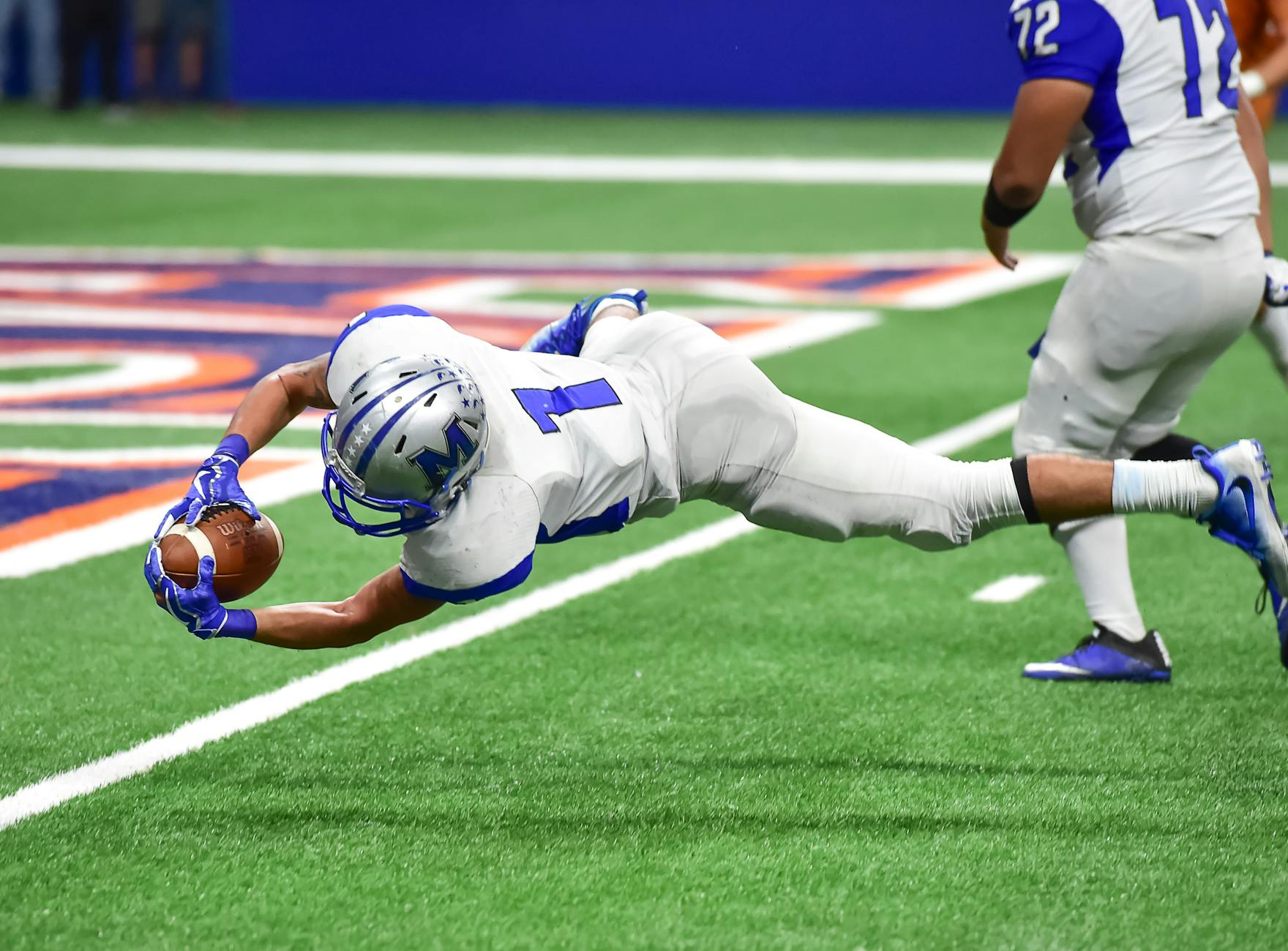
Now, as someone who runs NMFootballAcademy.com and works daily with young athletes and their families through DaddyNewbie.com, I’ve witnessed the transformative power of fantasy sports. It’s not just about touchdowns and home runs—it’s about creating connections, teaching life skills, and building traditions that last a lifetime.
If you’re a dad considering jumping into fantasy sports, whether to bond with your kids, join your buddies’ league, or simply add excitement to game day, this guide will walk you through everything you need to know to get started with confidence.
Why Fantasy Sports Are a Game-Changer for Modern Dads
Before diving into the how-to, let’s talk about the why. In 2026, more than 65 million people across North America participate in fantasy sports, with the industry valued at more than $35 billion globally. But behind these impressive numbers are millions of families discovering new ways to connect across generations.
The Real Benefits Beyond Winning
Strengthening Father-Child Bonds
Fantasy sports create a shared language between you and your kids. Suddenly, you have ongoing conversations about lineup decisions, trade negotiations, and game-day strategies. These discussions happen naturally—over breakfast, during car rides, through text messages throughout the week.
I’ve seen this firsthand at NMFootballAcademy.com, where parents and young athletes bond over fantasy teams featuring the very players they watch and emulate. One father told me his teenage daughter, who had been increasingly distant, now texts him every Sunday morning about her fantasy lineup. That weekly connection became a bridge during a challenging phase of parenting.
Teaching Valuable Life Skills
Fantasy sports are educational powerhouses disguised as entertainment:
- Mathematics: Calculating projections, understanding averages, and analyzing statistics
- Critical Thinking: Evaluating matchups, assessing risk versus reward, and making strategic decisions
- Research Skills: Gathering information from multiple sources and synthesizing data
- Emotional Intelligence: Handling disappointment, practicing sportsmanship, and managing competition
- Time Management: Meeting deadlines, planning ahead for bye weeks, and balancing responsibilities
Creating Family Traditions
The annual fantasy draft can become as anticipated as Thanksgiving dinner. Weekly matchups give you reasons to gather around the TV. Championship celebrations create lasting memories. These traditions become part of your family’s story.
Understanding the Fantasy Sports Landscape
Fantasy sports come in many varieties, but they all share a common premise: you assemble a virtual team of real players, and your team’s success depends on how those players perform in actual games.
Choosing Your Sport: Where to Start
Fantasy Football (NFL) – The Perfect Starting Point
With 79% of fantasy participants playing football, this is the most popular option for good reason. The NFL’s weekly format (one game per team per week) makes it manageable for beginners. You have time between games to research, adjust your lineup, and strategize.
Season: September through January
Time Commitment: 30-60 minutes per week
Best For: Dads wanting a structured, season-long experience with clear weekly objectives
Fantasy Baseball (MLB) – The Daily Engagement Option
Baseball is the original fantasy sport, requiring more frequent management since teams play almost daily from April through September.
Season: April through October
Time Commitment: 15-30 minutes daily
Best For: Dads who enjoy consistent engagement and teaching kids about long-term strategy
Fantasy Basketball (NBA) – Fast-Paced Action
Basketball’s high-scoring nature and star-driven league make it exciting for kids who follow individual players closely.
Season: October through April
Time Commitment: 45-60 minutes per week
Best For: Families who love basketball and want multiple games to watch together
Fantasy Soccer – The Growing Global Option
Fantasy Premier League alone has more than 12 million participants worldwide. If your kids play soccer (as many do through youth programs), this connects their participation to professional sports.
Season: August through May (varies by league)
Time Commitment: 30-45 minutes per week
Best For: Soccer-loving families wanting to follow the world’s most popular sport
My Recommendation for First-Timers: Start with fantasy football. The weekly format provides structure without overwhelming daily management, and the widespread popularity means abundant resources for learning.
Step-by-Step: Launching Your Fantasy Sports Journey
Step 1: Choose Your Platform
Your fantasy platform is your home base for the entire season. The major platforms are all free and user-friendly:
ESPN Fantasy Sports
- Strengths: Intuitive interface, excellent mobile app, integrated with ESPN’s extensive content
- Best For: Complete beginners who want simplicity
- Mobile App: Outstanding—manage your team anywhere
Yahoo Fantasy Sports
- Strengths: Clean design, robust stat tracking, active community forums
- Best For: Users who want more customization options
- Mobile App: Excellent with quick lineup adjustments
Sleeper
- Strengths: Modern interface, best-in-class chat features, fastest breaking news alerts
- Best For: Tech-savvy families who want social features
- Mobile App: Cutting-edge design and functionality
NFL.com Fantasy
- Strengths: Official NFL statistics, reliable platform, straightforward setup
- Best For: Football purists who want the official experience
- Mobile App: Solid and dependable
My Recommendation: ESPN or Yahoo for your first season. Both offer intuitive experiences with excellent support resources and mobile apps that make team management effortless.
Step 2: Select Your League Type and Format
League Size: Finding the Sweet Spot
- 8-10 Teams: Easier for beginners, more star players available
- 10-12 Teams: The ideal balance—competitive but not overwhelming
- 12-14+ Teams: Deeper rosters, requires more research and strategy
For your first season, aim for 10-12 teams.
League Formats Explained:
Redraft Leagues (Recommended for Beginners)
- Start fresh each season with a new draft
- No long-term commitments or complex rules
- Perfect for learning the fundamentals
Keeper Leagues (Intermediate)
- Retain 1-3 players from your previous season’s roster
- Adds strategic depth and long-term planning
- Try this in your second or third season
Dynasty Leagues (Advanced)
- Keep your entire roster indefinitely
- Requires serious commitment and deep knowledge
- Not recommended until you’ve mastered the basics
Head-to-Head vs. Points Leagues:
- Head-to-Head: You face one opponent each week; win or lose based on who scores more points
- Points (Rotisserie): Your total season points determine standings
Start with head-to-head format—the weekly matchups create more excitement and engagement opportunities with your kids.
Step 3: Understanding Scoring Systems
Scoring systems determine how players earn points for your team. Don’t let this intimidate you—your platform calculates everything automatically.
Standard Scoring (Football Example):
- Passing Touchdown: 4 points
- Rushing/Receiving Touchdown: 6 points
- Every 25 passing yards: 1 point
- Every 10 rushing/receiving yards: 1 point
- Field Goal: 3-5 points (distance-based)
- Interception/Fumble: -2 points
PPR (Point Per Reception):
- Same as standard scoring, PLUS 1 point for every reception
- Makes pass-catching running backs and receivers more valuable
- Increasingly popular format
Half-PPR:
- 0.5 points per reception
- Middle ground between standard and full PPR
Which Should You Choose?
For beginners, standard or half-PPR works best. Full PPR adds complexity that can confuse first-timers. As you gain experience, you can experiment with different formats.
Pro Tip: Don’t stress about memorizing scoring rules. Focus on understanding that quarterbacks, running backs, and wide receivers are your primary point-scorers, with tight ends, kickers, and defenses playing supporting roles.
Step 4: Assembling Your League
Creating a Family-Friendly League:
One of my best decisions was starting a family fantasy league including my kids, my brother, my dad, and close family friends. Here’s why it works:
Benefits of Family Leagues:
- Safe Environment: Kids compete in a supportive atmosphere without toxic online strangers
- Teaching Moments: Every decision becomes a learning opportunity
- Multi-Generational Connection: My 70-year-old father texts my teenage son about waiver pickups—conversations that wouldn’t happen otherwise
- Shared Excitement: Sunday afternoons become family events where everyone’s invested
Setting Up Your Family League:
- Size: 8-12 teams (invite extended family, close friends, neighbors)
- Buy-In: Keep it free or very low ($10-20) to focus on fun over money
- Rules: Write a simple league constitution to prevent disputes
- Commissioner: Choose someone organized and fair (often the league creator)
Creating Fun Traditions:
- Last Place Punishment: Loser wears a silly costume to Thanksgiving or buys pizza for everyone
- Championship Trophy: Create or buy a trophy the winner keeps for a year
- Draft Party: Make the draft an annual event with food and celebration
- Weekly Recaps: Write humorous summaries of each week’s matchups
Step 5: Preparing for Draft Day
The draft is where your season begins—and it’s the most exciting part of fantasy sports. Here’s how to prepare:
2-3 Weeks Before Your Draft:
1. Study Player Rankings
Use multiple sources to get diverse perspectives:
- ESPN Fantasy Rankings
- Yahoo Fantasy Rankings
- FantasyPros (aggregates 100+ expert rankings)
- The Athletic (subscription-based, in-depth analysis)
2. Understand Your League Settings
Scoring format dramatically affects player value. A running back who catches many passes is more valuable in PPR leagues than standard leagues.
3. Create Your Cheat Sheet
Rank players by position based on your research. Many platforms offer printable cheat sheets, or create your own in a spreadsheet.
4. Practice with Mock Drafts
Most platforms offer mock drafts where you practice against computer opponents or other users. Do at least 2-3 mock drafts to familiarize yourself with the flow and timing.
Draft Day Strategy for Beginners:
The “Robust RB” Approach (Football):
This time-tested strategy prioritizes running backs early:
- Rounds 1-3: Focus on elite running backs and top-tier wide receivers
- Rounds 4-6: Grab your quarterback and additional wide receivers
- Rounds 7-9: Secure your tight end and flex positions
- Rounds 10-12: Add depth at RB and WR
- Rounds 13-15: Defense, kicker, and bench players
Golden Rules for Draft Success:
- Never draft a kicker or defense before the final two rounds (they’re easily replaceable)
- Take the best player available rather than reaching for a position you need
- Avoid drafting too many players from your favorite team (emotional bias clouds judgment)
- Don’t panic if your plan falls apart (flexibility is crucial)
- Have fun and embrace the chaos (your first draft won’t be perfect)
Real Talk: My first draft, I panicked in round one and took a quarterback—a classic rookie mistake. My team still finished in the middle of the pack, and I learned valuable lessons. Don’t let fear of mistakes prevent you from jumping in.
Step 6: Managing Your Team Throughout the Season
Drafting is just the beginning. Success requires consistent weekly management, but it doesn’t have to consume your life.
Your Weekly Routine (30-60 Minutes Total):
Tuesday-Wednesday: Waiver Wire Day
- Review injury reports and player news
- Browse available players (the “waiver wire”)
- Submit claims for players you want to add
- Drop underperforming players to make room
Thursday-Saturday: Lineup Setting
- Set your starting lineup (only starters earn points)
- Check weather reports for outdoor games
- Research matchups (which defenses are weak?)
- Make any necessary adjustments
Sunday-Monday: Game Day
- Watch games and track your players’ performance
- Make last-minute lineup changes if needed
- Engage with league mates through trash talk and celebration
- Review results and plan for next week
Key Concepts to Master:
The Waiver Wire
The pool of unowned players available to add to your team. Most leagues use either:
- Waiver Priority: Teams take turns in a rotating order
- FAAB (Free Agent Acquisition Budget): You bid on players using a season-long budget
Start/Sit Decisions
Each week, you choose which players from your roster to start. This is where strategy matters—a great player facing a tough defense might score fewer points than a decent player facing a weak defense.
Bye Weeks
Every NFL team has one week off during the season. Plan ahead so you’re not caught with multiple starters on bye the same week.
Trading
You can negotiate trades with other teams to improve your roster. Trading teaches negotiation skills and evaluating value—great lessons for kids.
The Social Side: Fantasy Sports as Family Bonding
This is where fantasy sports transcend entertainment and become meaningful family experiences.
Teaching Sportsmanship and Character
Fantasy sports provide natural opportunities to instill important values:
Handling Losses with Grace
When your son’s team loses because his star player got injured, it’s a chance to discuss:
- Resilience and bouncing back from disappointment
- Accepting things outside your control
- Maintaining perspective (it’s just a game)
Winning with Humility
When your daughter crushes you in the championship, celebrate her success genuinely. Model how to win without gloating or making others feel bad.
Playing with Integrity
Emphasize:
- Following league rules even when no one’s watching
- Honoring trades even if you have regrets
- Being honest about lineup decisions
- Treating opponents with respect
Maintaining Perspective
Remind kids (and yourself) that fantasy sports are entertainment. Real relationships matter infinitely more than fantasy victories. If the competition creates genuine conflict, it’s time to step back and reassess.
Creating Conversation Opportunities
Fantasy sports give you built-in conversation starters with your kids:
- “Who should I start this week?”
- “Did you see that incredible catch?”
- “Want to help me research waiver wire options?”
- “Should I accept this trade offer?”
These discussions keep communication flowing, especially important during teenage years when kids naturally pull away.
A Story from the Field: Through NMFootballAcademy.com, I’ve worked with a father and son who were struggling to connect. The dad started a fantasy league with his son’s teammates. Within weeks, they were analyzing game film together, discussing player performance, and bonding over their shared interest. Fantasy sports became the bridge that reopened their relationship.
Common Pitfalls to Avoid (Learn from My Mistakes)
After several seasons and countless conversations with other fantasy players through DaddyNewbie.com, here are the most common beginner mistakes:
1. Overvaluing Your Favorite Team’s Players
The Mistake: Drafting players from your favorite team because you love them, not because they’re the best value.
The Fix: Separate fandom from fantasy decisions. Draft with your head, not your heart. It’s okay to have one or two favorite players, but don’t build your entire team around them.
2. Neglecting the Waiver Wire
The Mistake: Setting your lineup once and forgetting about it for weeks.
The Fix: Championships are won on the waiver wire. Consistently add emerging players and drop underperformers. The best managers are always looking for improvements.
3. Making Panic Moves After One Bad Week
The Mistake: Dropping a good player after a single poor performance.
The Fix: Evaluate trends over 3-4 weeks, not individual games. Every player has bad weeks. Patience usually pays off.
4. Ignoring Bye Weeks During the Draft
The Mistake: Drafting multiple key players with the same bye week, leaving your roster depleted.
The Fix: Keep a bye week chart handy during your draft and diversify. Don’t draft three running backs who all have a Week 7 bye.
5. Trading Based on Name Recognition
The Mistake: Accepting a trade for a “big name” player who’s actually declining or injured.
The Fix: Evaluate players based on current performance and future outlook, not past reputation or name value.
6. Overthinking Every Decision
The Mistake: Spending hours agonizing over minor lineup decisions or reading every expert opinion.
The Fix: Trust your research, make a decision, and move on. Overthinking leads to second-guessing and reduces enjoyment. Sometimes you just have to go with your gut.
7. Taking It Too Seriously
The Mistake: Letting fantasy results affect your mood, relationships, or real-life responsibilities.
The Fix: Remember why you started—to have fun and connect with others. If you find yourself genuinely angry or stressed about fantasy sports, step back and regain perspective.
8. Not Involving Your Kids in Decisions
The Mistake: Managing your team in isolation instead of making it a collaborative experience.
The Fix: Ask your kids for input on lineup decisions, trade offers, and waiver pickups. Even if their advice isn’t always optimal, the engagement matters more than winning.
Educational Benefits: What Kids Really Learn
As someone deeply involved in youth development through NMFootballAcademy.com and DaddyNewbie.com, I’ve observed tangible educational benefits from fantasy sports participation:
Mathematical and Analytical Skills
Statistics and Probability
- Understanding averages, projections, and standard deviation
- Calculating likelihood of outcomes
- Interpreting percentages and ratios
Mental Math
- Quickly calculating point totals
- Comparing player values
- Projecting scores during live games
Data Analysis
- Reading charts, graphs, and statistical tables
- Identifying trends and patterns
- Making data-driven decisions
Real-World Application: Multiple parents have told me their kids’ math grades improved after joining fantasy leagues because they were suddenly motivated to understand percentages, averages, and statistical analysis. When learning has immediate, practical application, engagement skyrockets.
Critical Thinking and Decision-Making
Evaluating Information
- Assessing expert opinions and determining credibility
- Weighing conflicting advice
- Making independent judgments
Risk Assessment
- Evaluating potential rewards against risks
- Understanding opportunity cost
- Making decisions with incomplete information
Strategic Planning
- Thinking multiple weeks ahead
- Anticipating opponents’ moves
- Adapting strategies based on changing circumstances
Research and Information Literacy
Finding Reliable Sources
- Distinguishing between quality analysis and clickbait
- Cross-referencing multiple sources
- Evaluating expert credentials
Staying Current
- Following breaking news and updates
- Understanding how new information affects decisions
- Developing habits of continuous learning
Synthesizing Information
- Combining data from multiple sources
- Forming coherent conclusions
- Communicating findings to others
Time Management and Responsibility
Meeting Deadlines
- Setting lineups before games start
- Submitting waiver claims on time
- Planning ahead for bye weeks
Balancing Priorities
- Managing fantasy responsibilities alongside schoolwork and other activities
- Learning that fun activities require work and attention
- Developing consistent routines
Social-Emotional Learning
Handling Disappointment
- Coping with losses and bad luck
- Developing resilience
- Maintaining emotional regulation
Delayed Gratification
- Understanding that success comes from consistent effort over time
- Resisting impulsive decisions
- Staying patient with underperforming players
Negotiation and Communication
- Working through trade discussions
- Finding mutually beneficial agreements
- Articulating reasoning and persuading others
Empathy and Sportsmanship
- Understanding opponents’ perspectives
- Celebrating others’ successes
- Supporting league mates through tough losses
Resources for Continued Learning
As you progress in your fantasy sports journey, these resources will help you and your kids level up:
Essential Websites and Apps
FantasyPros (fantasypros.com)
- Aggregates expert rankings from 100+ analysts
- Excellent draft assistant tools
- “Who Should I Start?” tool for weekly lineup decisions
- Trade analyzer to evaluate fairness
- Cost: Free basic version; premium features available
The Athletic (theathletic.com)
- In-depth fantasy analysis and strategy articles
- Beat writer insights on player situations and team dynamics
- Comprehensive injury updates
- Cost: Subscription required ($60-80/year)
Rotoworld/NBC Sports Edge (rotoworld.com)
- Breaking news and injury updates
- Player analysis and projections
- Depth charts and team information
- Cost: Free
Sleeper App
- Even if you don’t play on Sleeper, download for news alerts (fastest in the industry)
- Great for staying updated on breaking news
- Cost: Free
Top Fantasy Sports Podcasts
The Fantasy Footballers
- Daily episodes during football season
- Entertaining and informative
- Great for beginners and experienced players
- Perfect for listening during commutes
Fantasy Focus (ESPN)
- Hosted by Matthew Berry, Daniel Dopp, and Field Yates
- Accessible for casual fans
- Good mix of analysis and entertainment
- Family-friendly content
The Late-Round Podcast
- More analytical, data-driven approach
- Deep dives into strategy and game theory
- Great for intermediate players looking to level up
Harris Football Podcast
- Film study and detailed player analysis
- Teaches you to evaluate players like a scout
- More advanced but incredibly educational
YouTube Channels for Visual Learners
The Fantasy Footballers
- Video versions of their podcast plus exclusive content
- Draft strategy videos
- Weekly rankings and start/sit advice
FantasyPros
- Draft strategy tutorials
- Weekly rankings videos
- Expert roundtables and debates
Chris Harris (Harris Football)
- Film study breakdowns
- Detailed player analysis
- Teaches you to watch games like a coach
Books for Deeper Understanding
“Fantasy Football for Smart People” by Jonathan Bales
- Data-driven approach to fantasy strategy
- Teaches probabilistic thinking
- Great for analytically-minded dads and kids
“The Fantasy Football Black Book” by Joe Pisapia
- Comprehensive draft guide updated annually
- Excellent for understanding player values and tiers
- Includes detailed projections and analysis
“How Fantasy Sports Explains the World” by AJ Mass
- Explores the cultural impact of fantasy sports
- Fun read that contextualizes the hobby
- Great for understanding the broader phenomenon
Advanced Strategies (For When You’re Ready)
Once you’ve mastered the basics, these intermediate strategies will give you an edge:
Streaming Defenses and Tight Ends
Rather than drafting these positions early, wait until late rounds and “stream” by picking up favorable matchups each week from the waiver wire. A mediocre defense playing against a weak offense often outscores an elite defense facing a strong offense.
Handcuffing Your Running Backs
Draft the backup to your star running back as insurance. If your RB1 gets injured, you immediately have his replacement, who often inherits a full workload.
The Zero-RB Strategy
Contrarian approach where you wait on running backs and load up on wide receivers early. Risky but can pay off if you successfully find running backs on the waiver wire.
Championship-Focused Drafting
Consider playoff schedules (typically weeks 15-17) when drafting. A player with easy matchups during fantasy playoffs is more valuable than one with tough matchups, even if their overall season projections are similar.
Trading Up for Elite Players
As playoffs approach, package two good players to acquire one elite player. Elite players have higher floors (minimum expected points) and ceilings (maximum potential), which matters more in single-elimination playoff games.
Stacking Quarterbacks with Receivers
In your lineup, pair your quarterback with one of his receivers. When the QB throws a touchdown, you get points from both players. This increases your ceiling and creates correlation in your lineup.
Creating Your Fantasy Sports Family Tradition
Here’s how to make fantasy sports a lasting tradition that strengthens your family bonds:
Year 1: Foundation Building
Goals:
- Learn the basics without pressure
- Focus on fun over winning
- Establish weekly routines
- Create positive associations
Activities:
- Make draft day special with favorite foods
- Watch games together on Sundays
- Celebrate small victories
- Laugh about mistakes together
Year 2: Expanding and Deepening
Goals:
- Add complexity (maybe try a keeper league)
- Introduce more family members
- Create league traditions
- Develop deeper strategic understanding
Activities:
- Create a league trophy or championship belt
- Start a league group chat for trash talk
- Take photos at the draft each year
- Write weekly power rankings with humor
Year 3+: Building Legacy
Goals:
- Document memorable moments
- Create league history and records
- Pass down knowledge to younger siblings
- Establish multi-generational participation
Activities:
- Create a league website or social media page
- Compile “greatest moments” videos
- Establish hall of fame for champions
- Write a league constitution with input from all members
Ideas for Making It Special
The Championship Trophy
Create or purchase a trophy that the champion keeps for a year. Engrave each year’s winner. This physical symbol becomes a cherished family artifact.
The Draft Party
Make the annual draft an event:
- Order favorite foods
- Create a draft board
- Play fantasy-themed games
- Take annual photos
Weekly Power Rankings
Write humorous recaps of each week’s matchups. These become treasured memories and inside jokes that last for years.
End-of-Season Awards
Beyond just the champion, create awards like:
- Most Points Scored
- Biggest Upset Victory
- Best Trade
- Worst Luck (most points against)
- Best Team Name
- Comeback Player of the Year
Last Place Consequences
Keep it light and funny:
- Wear a silly costume to a family gathering
- Buy pizza for the league
- Create a “loser trophy” that’s intentionally ridiculous
- Write a poem about their terrible season
The Bottom Line: Why You Should Start Today
Fantasy sports aren’t just about winning or losing—they’re about connection, learning, and creating shared experiences that strengthen family bonds.
In an age where screens often isolate us, fantasy sports use technology to bring us together. The weekly check-ins, the shared excitement of a last-second touchdown, the friendly trash talk, the collaborative decision-making—these become the fabric of your family story.
Through my work at DaddyNewbie.com, TheRavenMediaGroup.com, and NMFootballAcademy.com, I’ve seen countless examples of fathers who strengthened their relationships with their kids through fantasy sports. I’ve watched shy kids develop confidence through league interactions. I’ve seen struggling students suddenly excel at math because they wanted to calculate fantasy projections. I’ve witnessed families create traditions that will last for generations.
The global fantasy sports market continues to grow, projected to reach over $102 billion by 2034, but beyond the numbers, millions of families are discovering what I learned three years ago when my son invited me to join his league: fantasy sports create bridges between generations and provide frameworks for teaching life lessons in engaging, memorable ways.
Your Action Plan: Getting Started This Week
Don’t wait for the “perfect” time or until you feel “ready.” The best way to learn is by doing. Here’s your seven-day action plan:
Day 1-2: Choose and Commit
- Decide which sport you’ll play (I recommend football for beginners)
- Select your platform (ESPN or Yahoo for first-timers)
- Set a date for your draft (typically late August for football)
Day 3-4: Build Your League
- Invite family members and friends (aim for 10-12 teams)
- Decide on league settings (standard or half-PPR scoring)
- Create your league and send invitations
Day 5-6: Start Learning
- Subscribe to one podcast (The Fantasy Footballers is great for beginners)
- Bookmark FantasyPros and Rotoworld
- Do your first mock draft to get comfortable with the process
Day 7: Involve Your Kids
- Explain what fantasy sports are and why you’re starting
- Ask if they want to join or help you manage your team
- Watch a game together and discuss how fantasy scoring works
The Most Important Step: Just start. Your first season won’t be perfect, and that’s completely fine. The memories you’ll create and the connections you’ll strengthen are worth far more than any championship trophy.
The Legacy Beyond the Game
Today, some of my favorite memories with my kids involve our fantasy league. The trash talk in our family group chat. The draft day pizza tradition. The time my daughter beat me in the championship and I had to wear a ridiculous costume to Thanksgiving dinner. The conversations about strategy, statistics, and sportsmanship.
These moments matter. They’re building blocks of relationship, opportunities for teaching, and foundations for lifelong connections.
So take the leap. Join that league. Draft that team. Involve your kids in the process. And get ready for Sunday mornings to become a whole lot more exciting.
Your family’s fantasy sports story starts today. Make it a good one.
Don Jackson is the founder of DaddyNewbie.com, TheRavenMediaGroup.com, and NMFootballAcademy.com, where he helps fathers navigate modern parenting challenges and develops young athletes both on and off the field. He’s passionate about using sports as a vehicle for building character, strengthening families, and creating lasting memories. Connect with Don and discover more parenting insights at DadSpotlight.com and DaddyNewbie.com.
Quick Reference: Fantasy Football Glossary for Dads
Bye Week: The week each NFL team doesn’t play (plan ahead!)
Waiver Wire: Pool of available players not currently on any team
PPR: Point Per Reception scoring format
Flex: Roster spot that can be filled by RB, WR, or TE
Handcuff: Backup player to your starter (insurance policy)
Sleeper: Undervalued player with breakout potential
Bust: High draft pick who underperforms expectations
Boom/Bust: Player with inconsistent week-to-week performance
RB1/WR1: Your top player at that position
Streaming: Rotating players based on weekly matchups
FAAB: Free Agent Acquisition Budget for waiver claims
Dynasty: League where you keep your entire roster year-to-year
Keeper: League where you retain a few players each season
Mock Draft: Practice draft to prepare for the real thing
ADP: Average Draft Position (where players typically get drafted)
Stacking: Pairing a QB with his receiver for correlated scoring
Taco: League member who makes consistently bad decisions (named after a character from “The League”)
Ready to start your fantasy sports journey? Visit DadSpotlight.com for more parenting tips, family activity ideas, and resources for modern fathers. For youth sports development insights, check out NMFootballAcademy.com, and for comprehensive parenting guidance, explore DaddyNewbie.com.










Leave a Reply