

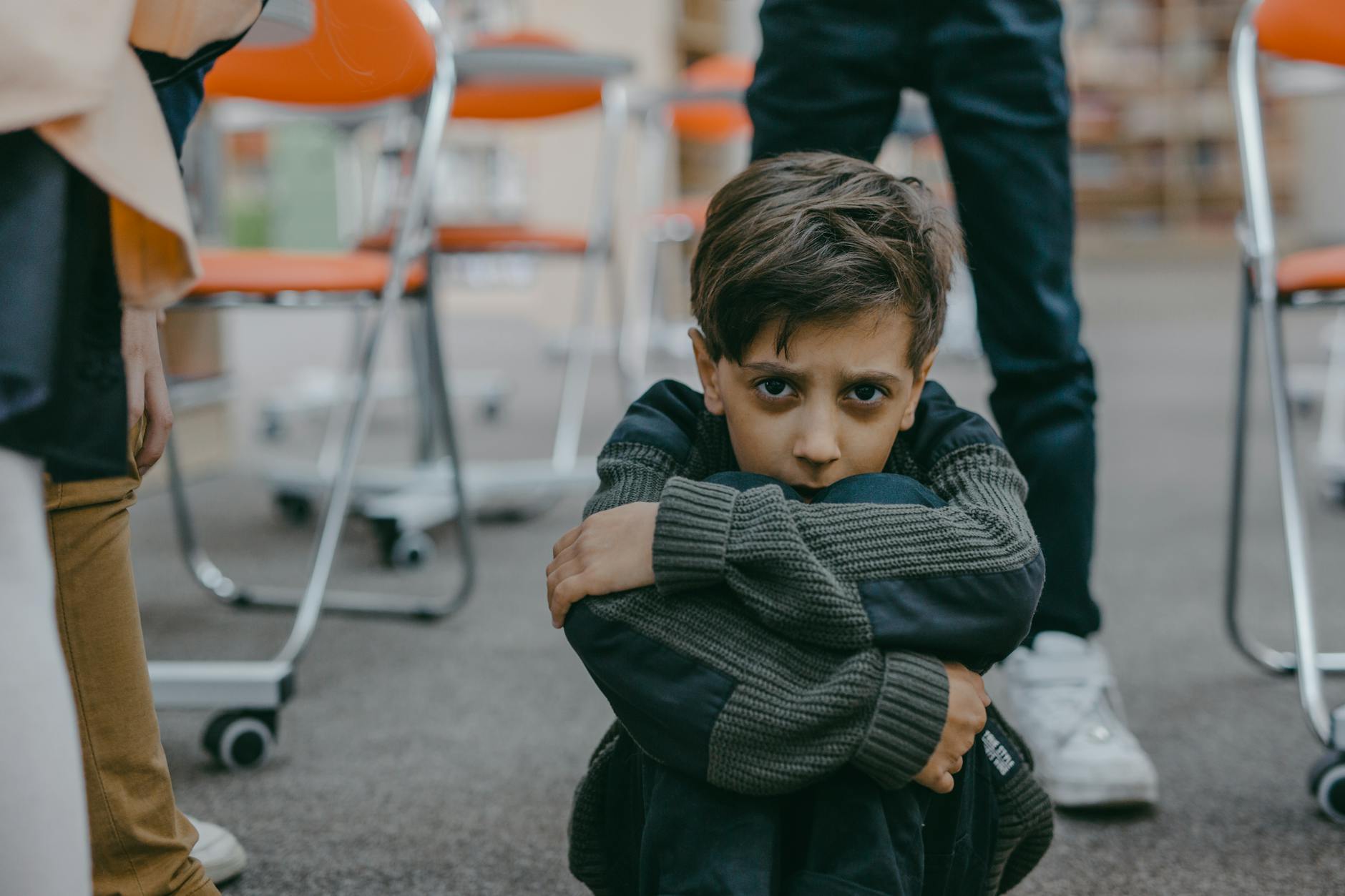
It was a Saturday night when my seven-year-old asked me the question that every parent dreads: “Dad, can we watch a scary movie?”
I paused mid-popcorn-pour. My mind raced through a mental catalog of horror films I’d loved as a kid—Poltergeist, Gremlins, The Monster Squad. Would those work? Were they too intense? Was my kid even ready for this?
I’m Don Jackson, founder of DaddyNewbie.com, TheRavenMediaGroup.com, and NMFootballAcademy.com. Through my work in media, parenting, and youth development, I’ve spent years thinking about how children consume and process content. And let me tell you: the question of when kids are ready for horror movies is one of the most nuanced conversations in modern parenting.
The answer isn’t a simple age number. It’s about understanding your child’s temperament, their emotional development, and how to introduce scary content in a way that’s thrilling without being traumatizing. Let’s break it down.
Why Kids Want to Watch Scary Movies (And Why That’s Actually Okay)
First, let’s address the elephant in the room: wanting to watch scary movies doesn’t make your child weird or morbid. It’s actually a completely normal part of childhood development.
Research shows that scary stories and films serve several healthy purposes for children:
Building Resilience
Horror allows kids to confront fear in a controlled environment. When they watch something scary and survive the experience, they learn that they can handle uncomfortable emotions. It’s like a psychological workout—building emotional muscles in a safe space.
Processing Real-World Anxieties
Sometimes the monsters on screen are easier to deal with than the abstract fears kids face in real life—fear of the dark, fear of being alone, fear of the unknown. Horror gives these fears a face, and more importantly, it usually gives them a resolution.
Testing Boundaries
Kids are naturally curious about their limits. “How much can I handle?” is a question they’re constantly asking themselves. Horror movies provide a way to explore that question with a safety net—you’re right there with them, and the TV can always be turned off.
Social Bonding
Let’s be honest: sharing scary stories is a rite of passage. Whether it’s around a campfire or on the couch with Dad, experiencing fear together creates powerful memories and strengthens relationships.
The Psychology of Fear: How Children Process Scary Content
Here’s what every parent needs to understand: children’s brains process fear differently than adult brains do.
Children under 10 are still learning to distinguish between fantasy and reality. When they see something disturbing—ghosts, violence, intense fear—it doesn’t always register as “pretend” the way it does for adults. It feels real, and that real fear can be overwhelming.
Unlike adults, children haven’t fully developed the emotional regulation skills to bounce back from scary content quickly. While you might walk out of a horror movie and shake it off, children often carry the emotional weight much longer.
This doesn’t mean you should never let your kids watch scary movies. It means you need to be intentional about how and when you introduce them.
Know Your Child: The Most Important Factor
Before we get into age recommendations, let’s talk about the most critical variable: your specific child.
I’ve seen eight-year-olds who can handle The Conjuring without batting an eye, and twelve-year-olds who get nightmares from Scooby-Doo. Every child has a different temperament and tolerance for scary imagery.
Signs Your Child Might Be Ready:
- They express genuine interest in scary content (not just trying to seem “grown up”)
- They can distinguish between fantasy and reality
- They’ve handled mildly scary content (like intense Disney villains) without lasting distress
- They understand that movies are make-believe
- They’re comfortable expressing when they’re scared or uncomfortable
- They don’t have a history of persistent nightmares or anxiety
Signs Your Child Might Not Be Ready:
- They’re easily startled or anxious in general
- They have difficulty sleeping or frequent nightmares
- They struggle with separating fantasy from reality
- They’ve had negative reactions to mildly scary content in the past
- They seem interested only because older siblings or friends are watching
- They have a hard time expressing their emotions
Remember: there’s no shame in a child not being ready for horror. Some kids never develop a taste for it, and that’s perfectly fine. Don’t push it.
Age-by-Age Guide to Horror Movies
While every child is different, here are general guidelines based on developmental stages:
Ages 4-7: The “Silly Scary” Stage
At this age, most children are just beginning to understand the concept of scary entertainment. The key is starting with content that’s more whimsical than frightening.
Recommended Approach:
Start with animated films that have spooky elements but aren’t genuinely terrifying. Animation helps children understand that what they’re watching isn’t real.
Movie Suggestions:
- Monsters, Inc. – Monsters are actually friendly and funny
- Hotel Transylvania – Classic monsters in a comedy setting
- The Nightmare Before Christmas – Visually spooky but emotionally warm
- Coraline – Slightly creepier, but still clearly fantastical
- Casper – A friendly ghost story with heart
What to Avoid:
Anything with realistic violence, intense jump scares, or genuinely evil characters. At this age, avoid films with suspenseful music and unsettling atmospheres that create prolonged tension.
Ages 8-10: The “Gateway Horror” Stage
This is when many kids are ready for their first real scary movies—films that have genuine tension and mild scares, but nothing too intense or graphic.
Recommended Approach:
Look for PG-rated films with supernatural elements, mild suspense, and clear good-versus-evil narratives. The “classic” monster movies from the 1930s-1950s are excellent for this age because the black-and-white photography and old-school presentation make them less threatening to many kids.
Movie Suggestions:
- The Goonies – Adventure with scary moments
- Gremlins – Creature feature with humor (though some scenes are intense)
- The Witches (1990) – Genuinely creepy but age-appropriate
- Ghostbusters – Comedy-horror balance
- Hocus Pocus – Halloween fun with mild scares
- Monster House – Animated but with real suspense
- The Addams Family – Macabre humor
- Classic Universal Monster Movies (Dracula, Frankenstein, The Wolf Man) – Much of the gore is implied or off-screen
What to Avoid:
Graphic violence, realistic gore, sexual content, or anything that depicts harm to children. Jump scares should be minimal and predictable.
Ages 11-13: The “Real Horror” Stage
By the tween years, many kids are ready for actual horror films—movies designed to deliver genuine scares and suspense. However, I still recommend avoiding the most graphic or disturbing content.
Recommended Approach:
Focus on PG-13 horror that emphasizes suspense and atmosphere over gore. Supernatural horror tends to be more appropriate than slasher films at this age.
Movie Suggestions:
- Poltergeist (1982) – The gold standard of family-friendly horror
- The Ring – Genuinely scary but not overly graphic
- A Quiet Place – Intense suspense with minimal gore
- The Sixth Sense – Psychological horror with heart
- Jaws – Classic suspense (though the shark attacks can be intense)
- Signs – Alien thriller with jump scares
- The Conjuring – Supernatural horror (on the intense end of PG-13)
- Tremors – Creature feature with humor
- Harry Potter and the Goblet of Fire – The scariest Potter film with dragons, dementors, and Voldemort
What to Avoid:
Extreme violence, torture, sexual content, or films that depict realistic harm to children or teens. Movies like Saw, Hostel, or The Human Centipede are absolutely off-limits.
Ages 14+: The “Choose Your Own Adventure” Stage
By high school, most teens can handle a wider range of horror content, though you should still be mindful of extremely graphic or disturbing material.
At this stage, your role shifts from gatekeeper to guide. Have conversations about what they’re watching, why certain content might be problematic, and how to think critically about media.
How to Introduce Horror Movies the Right Way
Knowing what to watch is only half the battle. How you introduce scary movies matters just as much.
1. Start Small and Build Gradually
Don’t jump straight to The Exorcist. Start with milder content and gradually increase the intensity based on your child’s reactions. Think of it like building tolerance—you wouldn’t start a new runner with a marathon.
2. Watch Together
This is non-negotiable, especially for younger kids. Your presence provides comfort and security. You can gauge their reactions in real-time, pause for discussions, and turn it off if needed.
Watching together also models healthy responses to fear. When you laugh after a jump scare or make a joke during a tense moment, you’re teaching your child that fear can be managed and even enjoyed.
3. Create a Comfortable Viewing Environment
Make the experience as safe and fun as possible:
- Watch during the day or early evening, not right before bed
- Keep some lights on (darkness amplifies fear)
- Have comfort items available (blankets, stuffed animals, snacks)
- Sit close together on the couch
- Make it a special event with popcorn and treats
4. Establish the “Stop Rule”
Before you start any scary movie, make this crystal clear: “If you want to stop watching at any time, just tell me and we’ll turn it off immediately. No questions asked, no teasing, no problem.”
Then honor that rule without hesitation. If your child asks to stop, stop. Don’t try to convince them to keep watching or make them feel bad for being scared.
This gives them control over the experience and builds trust. They’ll be more willing to try scary content in the future if they know they have an escape hatch.
5. Preview Content Yourself
Use resources like Common Sense Media, IMDb Parents’ Guides, or Does the Dog Die to research specific content warnings. Know what’s coming so you can prepare your child or decide if it’s appropriate.
I always watch a movie myself before showing it to my kids, or at minimum, I read detailed reviews that break down specific scary scenes.
6. Discuss Before, During, and After
Before: Set expectations. “This movie has some scary parts, but remember it’s all pretend. The actors are just playing characters, and nobody really got hurt.”
During: Check in periodically. “Are you doing okay?” Pause for bathroom breaks or to discuss confusing plot points. Use humor to diffuse tension.
After: Process the experience together (more on this below).
The Art of the Post-Movie Conversation
What you do after the credits roll is just as important as what happens during the movie. This is where real learning and emotional processing occur.
Immediate Debrief
Right after the movie ends, have a conversation while it’s fresh:
Ask open-ended questions:
- “What did you think?”
- “What was the scariest part for you?”
- “Was there anything that confused you?”
- “Did you have fun, or was it too much?”
Reinforce the fantasy:
- “Remember, that was all special effects and makeup.”
- “The actors went home after filming and had dinner with their families.”
- “Would you like to see how they made that scary monster? Let’s look up behind-the-scenes footage.”
Validate their feelings:
- “It’s totally normal to feel scared. I felt scared too during that part.”
- “Your brain is supposed to react that way—it’s trying to protect you.”
- “Being scared during a movie doesn’t mean you’re a baby. Even adults get scared.”
Behind-the-Scenes Education
One of the best tools for demystifying horror is showing kids how it’s made. Watch YouTube videos of special effects, makeup tutorials, or interviews with actors. When children see that the terrifying monster is actually a person in a costume having fun on set, it breaks the spell of fear.
This is where my background in media through TheRavenMediaGroup.com really comes into play. Understanding how content is created gives children power over it. They become critical consumers rather than passive recipients.
Address Specific Fears
If your child expresses specific worries (“What if a ghost comes into my room?”), address them directly:
- “Ghosts in movies are make-believe. They’re not real.”
- “Even if you believe in ghosts, the ones in movies are exaggerated for entertainment.”
- “Our house is safe. I’m here, and I’ll always protect you.”
- “Would it help if we left the hallway light on tonight?”
Don’t dismiss or minimize their fears, but do provide reassurance and practical solutions.
Watch for Delayed Reactions
Sometimes kids seem fine immediately after a movie but have reactions hours or even days later. Watch for:
- Difficulty falling asleep or staying asleep
- Nightmares or night terrors
- Increased clinginess or separation anxiety
- Reluctance to be alone in certain rooms
- Regression in behavior (bedwetting, thumb-sucking)
- Increased anxiety or fearfulness in general
If these symptoms persist beyond a few days, it’s a sign the content was too intense. Take a break from scary movies and consider talking to a pediatrician or child therapist if the symptoms continue.
When Nightmares Happen: A Dad’s Guide
Let’s be real: even with the best preparation, sometimes kids get nightmares after scary movies. It happens. Here’s how to handle it:
In the Moment
When your child wakes up scared:
- Respond immediately. Go to them quickly to provide comfort and security.
- Stay calm. Your calm demeanor reassures them that everything is okay.
- Provide physical comfort. Hugs, back rubs, or just sitting with them helps them feel safe.
- Validate the fear. “That dream felt really scary, didn’t it? Dreams can feel very real.”
- Remind them it was just a dream. “But it was only a dream. Dreams can’t hurt you. You’re safe here with me.”
- Check for monsters. Yes, really. Check the closet, under the bed, wherever they’re worried about. It might feel silly, but it provides concrete reassurance.
- Adjust the environment. Turn on a nightlight, leave the door open, or let them sleep in your room if needed.
The Next Day
Don’t just move on like nothing happened. Follow up:
- Ask how they’re feeling
- Discuss the nightmare if they want to talk about it
- Explain that nightmares are normal and everyone has them sometimes
- Consider taking a break from scary content for a while
If Nightmares Persist
If your child continues having nightmares for more than a week, or if they’re having multiple nightmares per night:
- Stop all scary content immediately
- Establish a calming bedtime routine
- Avoid screens for at least an hour before bed
- Consider consulting a pediatrician or child therapist
Remember: occasional nightmares after a scary movie are normal and not a sign of lasting damage. Kids are resilient. Just about all children have nightmares occasionally, and it takes more than viewing a scary movie to damage their psyches in a meaningful way.
Red Flags: When Horror Interest Becomes Concerning
While interest in scary movies is normal, there are some warning signs that warrant professional attention:
Seek help if your child:
- Shows fascination with real-world violence or wants to hurt others
- Becomes desensitized to violence and shows decreased empathy
- Acts out violently or aggressively after watching horror content
- Shows obsessive interest in death or gore beyond normal curiosity
- Has persistent, severe anxiety or sleep disturbances
- Withdraws from friends and activities
- Shows other behavioral changes that concern you
These signs don’t necessarily mean something is seriously wrong, but they do warrant a conversation with a pediatrician, school counselor, or child therapist.
The Benefits of Sharing Horror with Your Kids
When done right, watching scary movies with your children offers real benefits:
Quality Time
In our busy lives, sitting down together for a movie is valuable bonding time. Sharing the experience of fear and excitement creates lasting memories.
Building Trust
When you respect your child’s boundaries, validate their feelings, and provide comfort when needed, you strengthen your relationship. They learn that you’re a safe person to turn to when they’re scared.
Media Literacy
Discussing how horror movies are made, why certain choices were made, and how to think critically about content builds important media literacy skills. These skills transfer to all media consumption.
Emotional Intelligence
Processing fear in a safe environment helps children develop emotional regulation skills. They learn that uncomfortable emotions are temporary and manageable.
Shared Culture
Horror movies are part of our cultural landscape. Sharing classic films like Poltergeist or Ghostbusters connects your child to broader cultural conversations and gives you shared references.
Special Considerations for Different Family Situations
Single Parents
If you’re parenting solo, you might worry about handling scary movie fallout alone. A few tips:
- Be extra conservative with content choices
- Have a plan for middle-of-the-night comfort (keep your phone nearby, have a nightlight ready)
- Build a support network of other parents who can offer advice
- Don’t feel pressured to introduce horror if you’re not comfortable with it
Blended Families
When kids have different comfort levels or when parents disagree about appropriate content:
- Respect the most conservative parent’s wishes
- Watch separately with kids who are ready
- Don’t let older siblings pressure younger ones
- Have clear family rules about what’s appropriate at what age
Kids with Anxiety or Sensory Issues
Children with anxiety disorders, autism, or sensory processing issues may need extra consideration:
- Be even more conservative with content choices
- Provide extra sensory comfort (weighted blankets, fidget toys)
- Watch during the day only
- Consider whether scary movies are worth the potential distress
- Consult with your child’s therapist about appropriate content
My Personal Philosophy: The Dad’s Perspective
Through my work with DaddyNewbie.com and NMFootballAcademy.com, I’ve learned that parenting is about preparing kids for the world while protecting them from harm. Horror movies are a microcosm of that challenge.
The world can be scary. Pretending it isn’t doesn’t help our kids. But throwing them into the deep end of fear doesn’t help either. The goal is gradual exposure, with support and guidance, so they build resilience and confidence.
I want my kids to know that:
- Fear is normal and manageable
- They can trust me to keep them safe
- They have control over their media consumption
- It’s okay to say “no” to things that make them uncomfortable
- Scary things can be fun when experienced in the right context
When my seven-year-old asked to watch a scary movie that Saturday night, I didn’t say yes or no immediately. I asked questions. I gauged readiness. I explained what we’d be watching. We started with Monsters, Inc.—not exactly horror, but spooky enough to test the waters.
He loved it. We’ve since graduated to Coraline and The Nightmare Before Christmas. We’re not ready for every scary movie yet, and that’s okay. We’re building toward it together, at her pace.
That’s what good parenting looks like: meeting your child where they are, not where you wish they were or where other kids are.
Final Thoughts: Trust Your Gut
At the end of the day, you know your child better than any article, expert, or rating system. Trust your instincts.
If something feels too intense for your kid, it probably is. If your child is begging to watch something and you think they can handle it, give it a try—with the understanding that you might need to turn it off.
There’s no prize for introducing horror movies early, and there’s no shame in waiting. The goal isn’t to create a horror fan (though that’s a fun bonus). The goal is to help your child navigate fear, build resilience, and enjoy age-appropriate entertainment in a safe, supported environment.
And who knows? You might just create some of your favorite parenting memories in the process. Some of my best moments with my kids have been watching them peek through their fingers at a scary scene, then laughing together when it’s over.
That’s the magic of horror: it brings us together, reminds us we’re alive, and teaches us that we’re braver than we think.
Now if you’ll excuse me, my son just asked if we can watch The Witches this weekend. Time to do my research.
About the Author: Don Jackson is the founder of DaddyNewbie.com, TheRavenMediaGroup.com, and NMFootballAcademy.com. He contributes to AMoneyGeek.com on financial literacy and planning, and focuses on helping parents navigate the complexities of raising children in the digital age. His work emphasizes media literacy, intentional parenting, and building strong father-child relationships through shared experiences.







Leave a Reply